

When someone with NDIS funding is getting ready to leave hospital, their support at home should be arranged before they leave the ward. At Enable Hub, our Rapid Hospital Discharge Program plans that support with the hospital team, and we take urgent referrals when a discharge comes up fast. The earlier we hear, the more time we have to meet the person, match their support workers and have everything ready for the day they go home.
Our office is in Windsor, inside Riverview Shopping Centre, close to Hawkesbury District Hospital. We also support people coming home from Nepean Hospital in Kingswood, Blacktown Hospital, Mount Druitt Hospital, Westmead Hospital, Nepean Mental Health Centre and Cumberland Hospital.
“I’ve worked as a social worker for a long time, so I know how many people a ward social worker is trying to get home at once. When they refer someone to us, I want them to be able to stop worrying about that person’s support at home.”
Anil Shrestha, Director, Enable Hub
How a referral to us works
The ward social worker or discharge planner refers the person to us, using the urgent line or the referral form on our Rapid Hospital Discharge Program page. When a referral reaches us before 4pm on a business day, we call the referrer back the same day. If you’re a family member, call our Windsor office on 02 9037 3716, and we’ll tell you what to ask the ward social worker for.
After the referral, we meet the person and their family on the ward. We sign the service agreement there too, so the first shift isn’t held up by paperwork. On discharge day, our support workers bring the person home. After the first week, we call the hospital team to let them know how the person is settling in.
Our hospital program is led by an experienced social worker, and social work is where Enable Hub began. Anil, our founder, is a social worker who started Enable Hub after 15 years in community health and social services, and he still works directly with participants and families, including on hospital discharge.

Who will support them at home
We match support workers to the person, including by language and culture. Between them, our team speaks Nepali, Hindi, Japanese and other languages. After weeks in hospital, a support worker who speaks the person’s own language can make the first nights at home much easier for everyone.
Some of our support workers have nursing training, and we’re registered with the NDIS for high-intensity personal care and community nursing. That means we can support people coming home with complex needs, such as hoist transfers or help with medication. We also provide overnight and 24/7 support. Tell us what a typical day and night look like for the person, and we’ll plan their personal care around it.
For someone leaving a mental health unit, such as Nepean Mental Health Centre or Cumberland Hospital, recovery coaching can help in the weeks after discharge, if their plan includes it. Our recovery coach, Sharwani, holds a Master of Social Work and has a background in mental health and community services.
The NDIS side of a hospital stay
The hospital team makes the discharge plan and involves the person’s support coordinator, if they have one. With the person’s consent, hospital staff tell the NDIS the person is in hospital, and the NDIS says it will contact them, their nominee or guardian within 4 days.
An NDIS health liaison officer, the NDIS staff member who works with hospitals, then helps with any changes to the plan. The NDIS explains the steps in its Guide to your hospital stay. You don’t need to wait for the plan to change before the social worker refers the person to us. We work with the hospital team while the health liaison officer updates the plan, and we keep the family and support coordinator up to date as support is arranged.
If the person isn’t on the NDIS yet, hospital staff and the health liaison officer can help them apply. Our team also helps people across Western Sydney and the Hawkesbury put together NDIS applications, including people applying again after being turned down. Our NDIS application help page explains how.
If we already support you or your family member, tell us about the hospital stay early.
Most regular support pauses while someone is in hospital, because hospital staff provide that care. Telling us early helps us plan the return home with the same support workers, where we can.
What the first weeks at home can look like
Here’s an example. Picture someone in their forties going home to Richmond after several weeks in Nepean Hospital. They now use a wheelchair and need a hoist to get in and out of bed. Their partner works full time, and their mum, who speaks Nepali, helps out during the day.
Depending on their plan, their support might start with support workers each morning and evening for hoist transfers, showering and dressing. We’d look for a support worker who speaks Nepali, so their mum can talk easily with the team. Between visits, a support worker could help with meals and drive them to physio twice a week in our accessibility vehicle. If their plan includes it, a support worker could stay overnight for the first nights home, so their partner can sleep.
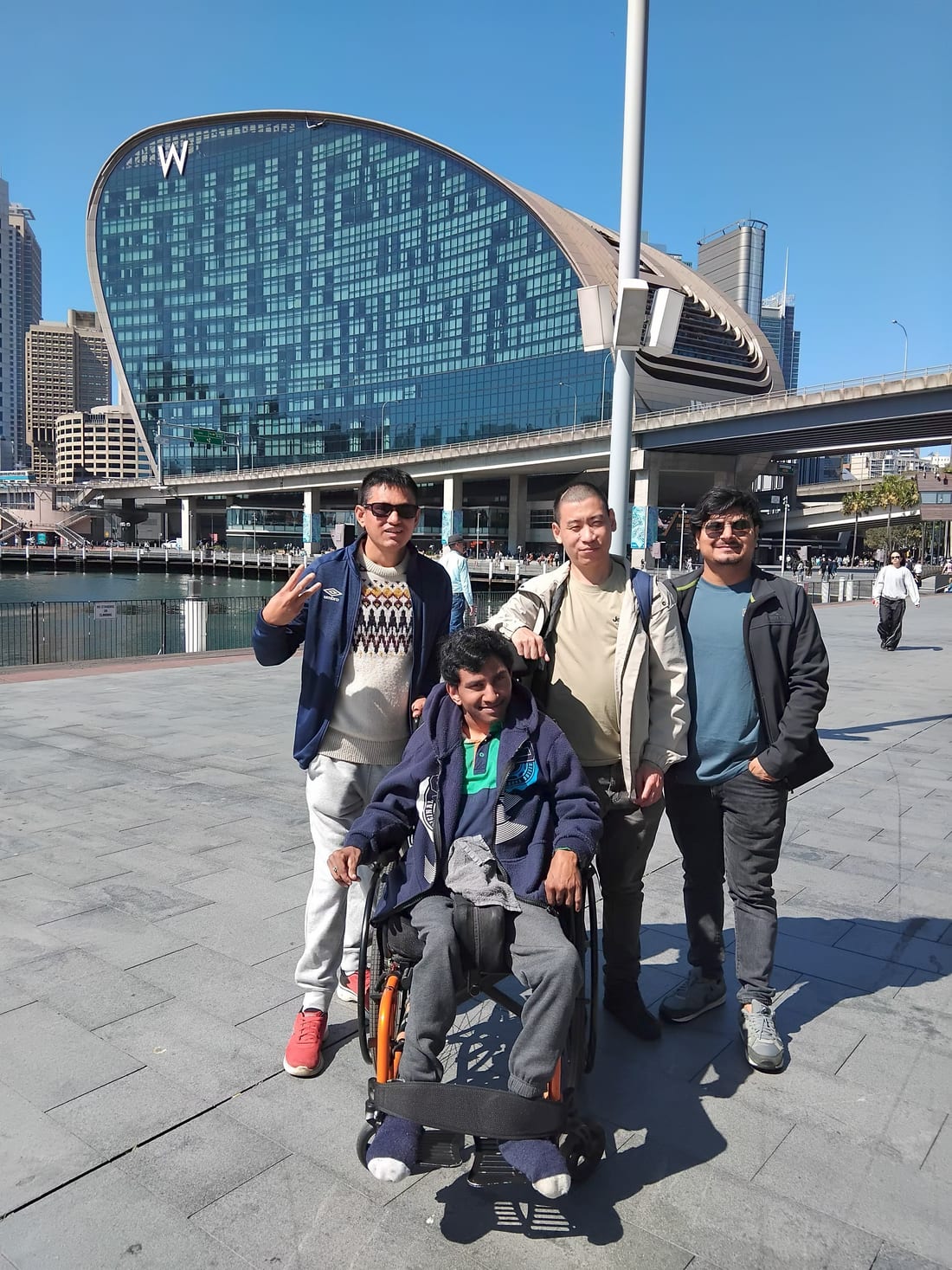
Later, once they feel stronger, they might come along to one of our Sunday community outings. Past outings have included Darling Harbour, Luna Park, the Cherry Blossom Festival and more.
When going back home isn’t possible
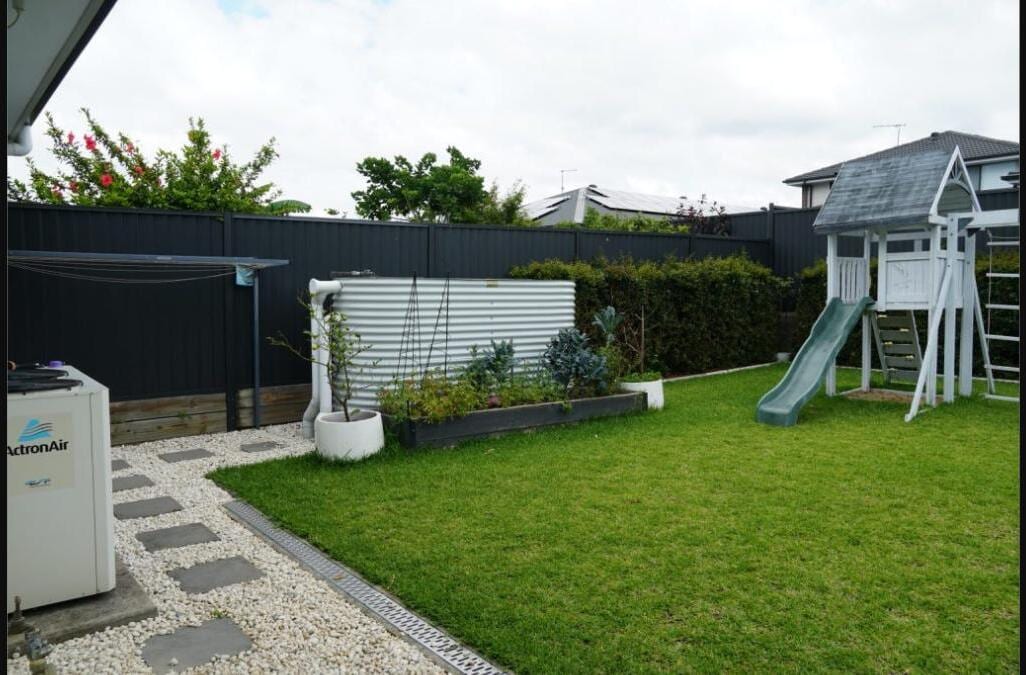
Sometimes the person can’t safely go back to where they were living, or their home needs changes, like a ramp or a new bathroom, before they can move back in. Tell us early if that looks likely. We’re a registered SIL provider, and our SIL homes have support 24/7. Our Windsor home, five minutes from the train station, suits someone moving in for SIL, or for a short stay (STA) or a medium-term stay (MTA). Families can visit the home while the person is still in hospital, and nothing needs to be signed before they’ve seen it. Current places are listed on our vacancies page.
The NDIS describes MTA as funding to live somewhere for up to 90 days. If someone is ready to leave hospital but their long-term home isn’t sorted yet, the NDIS may fund MTA, as long as they’re eligible for SDA, SIL, individualised living options or home modifications. MTA covers the accommodation only, so the daily support during the stay is funded from other parts of the plan. STA covers both a short stay and the support during it, usually for up to 14 days at a time. Whether either one applies depends on the person’s plan, so check with the health liaison officer or their support coordinator.
What you can do while the person is in hospital
- Tell the ward staff the person is an NDIS participant. You can also call the NDIS on 1800 800 110 to tell them the person is in hospital.
- Ask for the expected discharge date as early as you can, even if it might change.
- Tell the social worker who the person’s support coordinator is, if they have one.
- If the person speaks a language other than English at home, tell us, so we can look for a support worker who speaks it too.
- Ask the social worker to refer the person to us through our Rapid Hospital Discharge Program page.
Talk to Enable Hub about coming home from hospital
Enable Hub is a registered NDIS provider based in Windsor, supporting people living with disability across the Hawkesbury, the Hills District and Western Sydney, from Richmond and Riverstone to Penrith, Blacktown and Marsden Park. If someone you love will be leaving hospital soon, call us or request a callback, and we’ll talk it through. We return callback requests within one business day, and hospital referrals the same day when they reach us before 4pm.
Request a callback from Enable Hub or call us on 02 9037 3716.
Related Articles

OCT
Can NDIS Funding Cover Transport? Getting to Appointments, Work and Community Activities
How NDIS funding helps with transport, and how Enable Hub gets people around Windsor and the Hawkesbury to the shops, appointments, classes and outings.
Read More
OCT
What Are Therapeutic Supports Under the NDIS? A Plain-English Guide
Therapeutic support is the practice between therapy sessions. How Enable Hub's support workers turn your therapist's plan into everyday skills around Windsor.
Read More
SEPT
Switching NDIS Providers: What Actually Changes and How to Do It Smoothly
Thinking about switching NDIS providers? A friendly guide to what changes and how to move without a gap in support, for people in Western Sydney.
Read More