Living with a mental health condition affects every area of life. Relationships, daily routines, confidence, work and community involvement can all feel more difficult to manage. For many adults, the challenge isn’t just the condition itself but navigating the systems meant to help, including the NDIS.
Psychosocial recovery coaching is an NDIS-funded support specifically designed to help people living with psychosocial disability build a life that feels manageable, meaningful and more within their control.
What Is Psychosocial Disability?
Psychosocial disability refers to the functional impact of a mental health condition. This might include difficulty managing daily tasks, maintaining relationships, making decisions under stress or participating in community life.
Conditions like anxiety, depression, bipolar disorder, schizophrenia or PTSD can all contribute to psychosocial disability. Everyone experiences it differently, which is why personalised support is so important.
What Does a Recovery Coach Do?
A recovery coach isn’t a therapist, but they’re a consistent and practical support person who works with you on your terms. They help you understand your NDIS plan, connect with relevant services, build daily routines, work towards personal goals and develop stronger support networks.
Recovery coaches focus on strengths rather than deficits. They work with what you have and help you build from there — the relationship is collaborative, not prescriptive.
How It Differs from Support Coordination
While support coordination focuses broadly on connecting participants with services and managing their NDIS plan, psychosocial recovery coaching goes deeper into the recovery journey itself. It’s specifically tailored to the lived experience of mental health and focuses heavily on empowerment, resilience and personal growth.
Some participants have both a support coordinator and a recovery coach, and the two roles complement each other well.
The Role of Community in Recovery
Social isolation is one of the most common and damaging effects of psychosocial disability. Recovery coaching often includes support to re-engage with community life, whether that’s attending a social group, getting back to a hobby, volunteering or simply spending time outside the home regularly.
Building community connections isn’t just nice to have — it’s a core part of recovery.
Enable Hub and Psychosocial Support
Enable Hub provides psychosocial recovery coaching across Western Sydney and the Hawkesbury region. Our team understands the sensitivity and complexity of mental health and approaches every participant with respect, patience and a genuine commitment to their recovery.
We match participants with recovery coaches who understand their background, language and personal goals. If you or a loved one are living with psychosocial disability and would like to explore recovery coaching, we’d love to have a conversation.
Related Articles
JUL
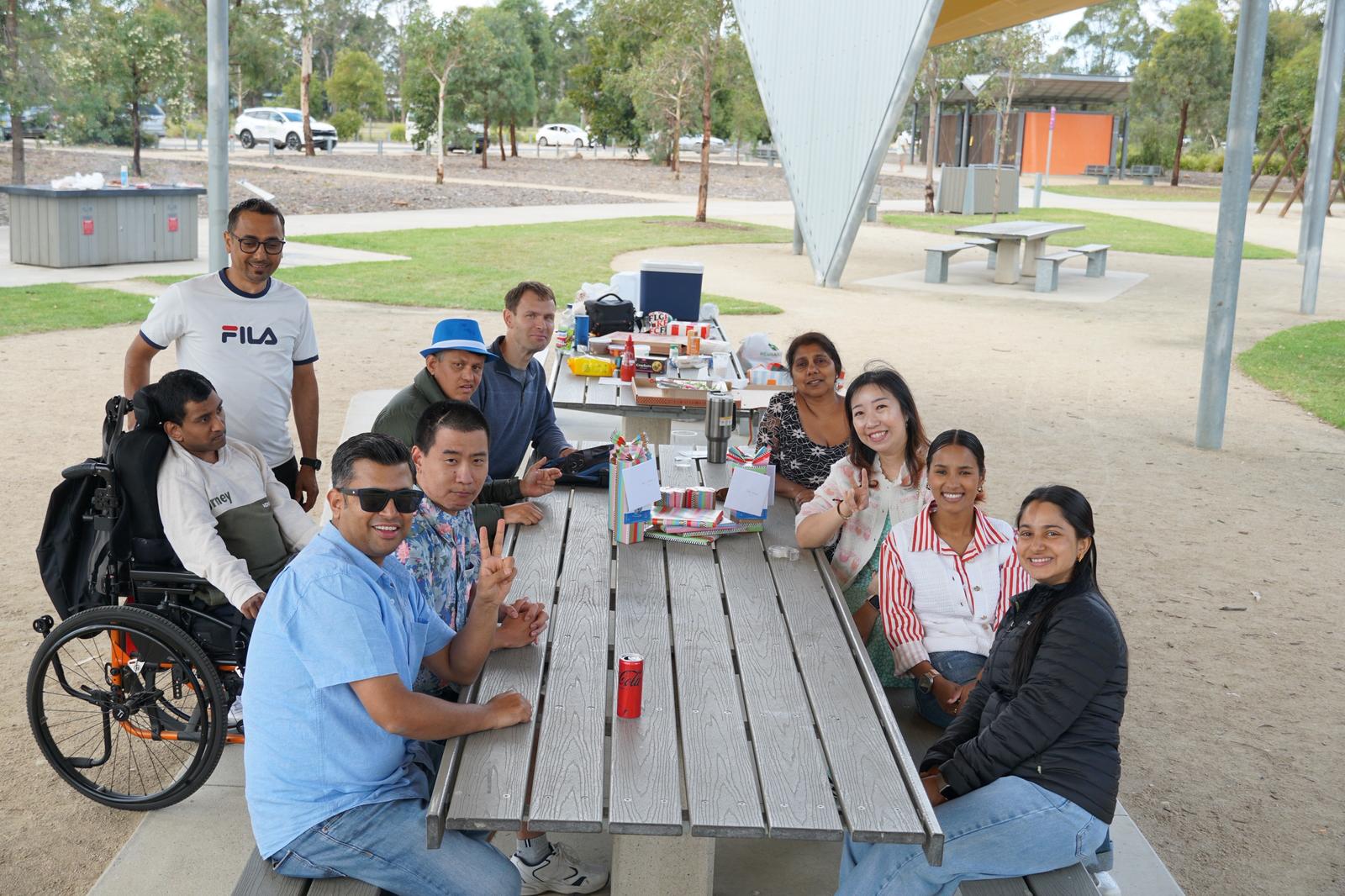
Community Access and Social Activities for NDIS Participants in the Hawkesbury and Western Sydney
Every second Sunday, small groups from Enable Hub head out across the Hawkesbury and Western Sydney. What the outings look like, and how funding works.
Read More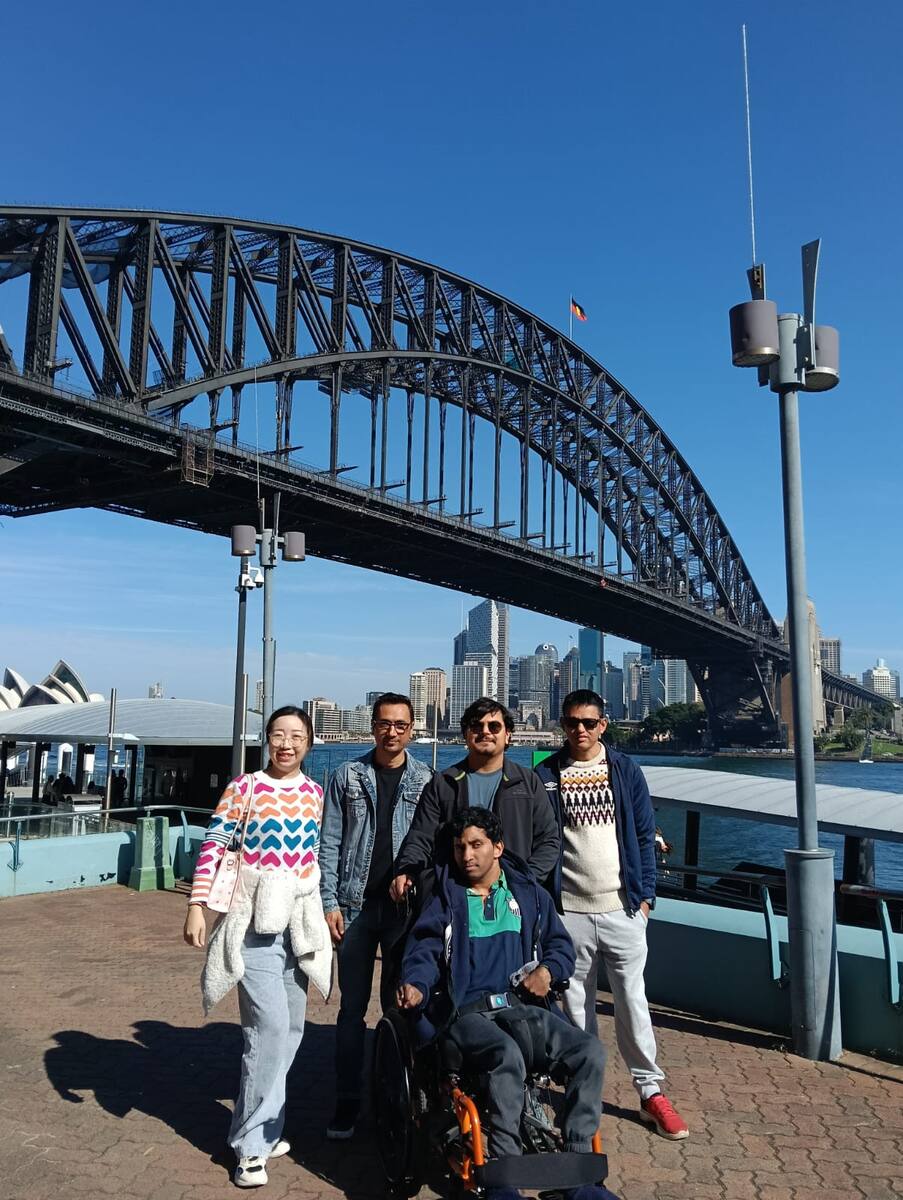
JUL
Why Community Access Matters for People Living with Disability
Community access is about more than getting out of the house. It's the freedom, support and confidence to take part in everyday life on your own terms.
Read More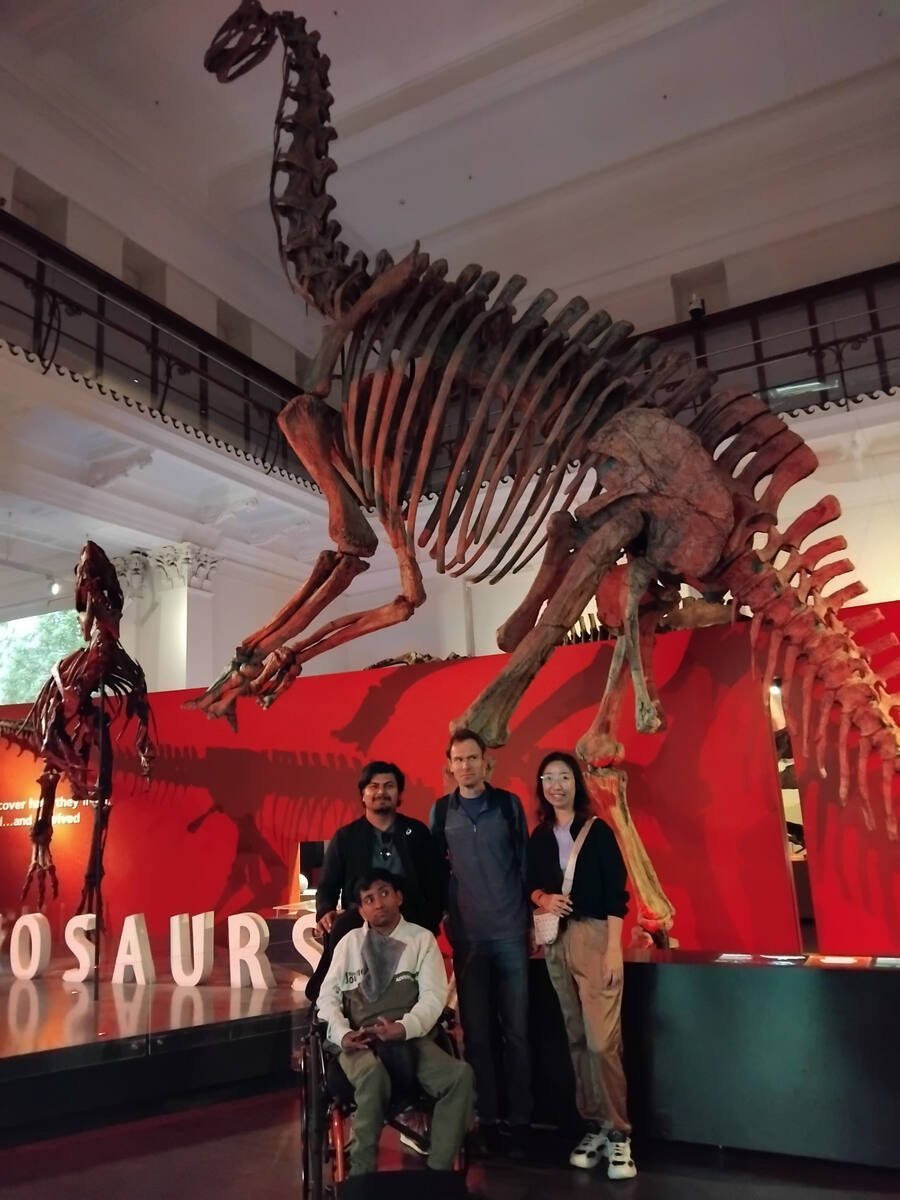
JUN
The Role of Social and Community Participation in Improving Wellbeing
Connection, belonging and participation in community life aren't extras. They're fundamental to health and wellbeing.
Read More